
Joshua Tercero Loria
The Butcher's Gallery
The Butcher's Gallery is a concept design project developed for an event production client, focused on creating a flexible exhibition system for a butcher brand. The proposal responds to the need for a structure that could operate in different contexts, such as barbecue competitions, meat exhibitions, live cooking, and small dining experiences. The design explores the idea of a premium, gallery-like space where meat cuts are presented with care, combining functionality, atmosphere, and adaptability within a single modular system.
.

The process began with a clear definition of the client’s needs and constraints, focusing on the requirements of the final user and the event-based context. Primary research was carried out through interviews with key stakeholders to understand expectations, practical limitations, and use scenarios. This information was complemented by an analysis of existing market solutions related to mobile food structures, exhibition systems, and temporary event setups.
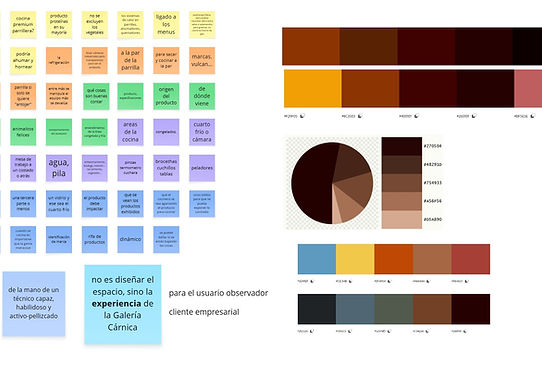
Based on the research findings, a modular design approach was defined as the core strategy. The concept explored the use of assemblable containers and wooden platforms as a flexible base system, allowing different configurations depending on the event needs. This approach supported multiple functions, such as product display, cooking areas, and space for placing tables, while maintaining a coherent visual identity.

Throughout the development phase, market references were categorised and analysed to identify solutions that could support the main purpose of the project. A chromatic analysis was also conducted to reinforce the idea of a refined and premium meat gallery, aligning materials, colours, and visual language with the brand positioning and the experience the client wanted to communicate.

During the ideation stage, a structured comparison between concepts, needs, and requirements was carried out to guide the sketching process. Concept debriefings were used to evaluate alignment with functional and experiential goals. In parallel, Vizcom was used as a rapid visualisation tool to explore materials, proportions, and variations, helping to improve the clarity of the proposals and raise the overall quality of concept presentations while incorporating client feedback at key moments of the process.
